Welcome to the KSR's Literary Universe
Route 2
Medicinal Plants of WBG
Route 1 introduces visitors to a carefully curated selection of iconic trees that showcase the botanical, cultural, and aesthetic richness of Waghai Botanical Garden. Beginning near landmarks like The Garden Shop, Cactus House, and themed plots such as the Medicinal, Bamboo, and Tuber sections, this trail gently guides you from familiar avenue trees to rare and symbolic species. Route 2 takes you deep into the healing heart of Waghai Botanical Garden, focusing on medicinal plants that have sustained communities for centuries through their therapeutic powers. Starting from the Medicinal Plot and winding through the Arogyawan section, this trail reveals powerhouse species like Harade, Drumstik, Madhunashini, Sarpagandha, Kokam, Raktchandan, Marodphali, Karvi, Malkangni, and the sacred Sita Ashok. Each station uncovers stories of ancient remedies, from diabetes control and fever relief to snakebite antidotes and mental clarity, blending ethnobotany, pharmacology, and local lore. By the endnote, you emerge with a profound appreciation for nature's pharmacy, where every leaf and root holds the wisdom of generations.
Introduction
Hello friends, welcome to the Waghai Botanical Garden. Established on 1st may, 1966 by then forest officers, Garden superintendent, scientists and scholars this is the largest garden in the Gujarat state. Have you ever wondered how botanical gardens are different from other gardens? Botanical gardens are different from other gardens as their primary concern is to have living repository of diverse types of plants, their conservation, promotion, awareness and site for training students, scholars, faculty foresters and even the common public, kin to know more about plants.
Generally, people see all the trees as if they are similar, but how they are different from each other and what their uses are, you get to know, see and understand only in the botanical garden.
India has a rich heritage of natural diversity. India ranks fourth in Asia and tenth in the world amongst the top 17 mega-diverse countries in the world. India harbours nearly 11% of the world’s floral diversity comprising over 17500 documented flowering plants. 6200 endemic species, 7500 medicinal plants and 246 globally threatened species in only 2.4% of world’s land area. India is home to four biodiversity hotspots-Andaman & Nicobar Islands, Eastern Himalaya, Indo- Burma region, and the Western Ghats. The Dangs is extreme northern parts of Western Ghats in the Dangs district of Gujarat, and is known for the Dang (Bamboo) forests. Hence the importance of biogeographical study of India's natural heritage.
The first initiative to classify the forests of India was done by Champion in 1936 and revised by Seth in 1968. Champion and Seth (1968) classified India's forests into six 'major groups ranging from tropical to alpine, 16 'groups' and more than 200 group categories. The Waghai Botanical Garden is divided into various sub- section based on Champion and Seth Classification, presently Waghai Botanical Garden is represented by evergreen, semi-deciduous, deciduous, and thorn Forest. In addition to various forests types, Botanical Garden is divided into various sub. division such as Dang plot, Bamboo plot, Medicinal plant plot, Arogyavan and an area dedicated to tuber plot, cacti and orchids. The various subdivision are spread in stretch of 7.5-kilometer-long roads interlinked by Harde Road, Rain Tree Road, Nilgiri, Borsali, Kothu Road, etc.
Not making you wait furthermore, let's move into a journey of overwhelming plants, let's get back to nature, love nature and know the hidden treasure of plant world- with the Medicinal plants of Waghai Botanical Garden.
Station 00
Introduction

From ancient times, medicinal plants have been crucial in sustaining the health and well-being of mankind. In different parts of the world several systems of medicines like Indian, Chinese, Unani, Siddha, European, and African have flourished. In India, along with other natural entities, plants are also worshipped. It is found mentioned in scriptures like Vedas, Puranas, Samhitas, and Upanishads. According to a legend of Ashtanga Hridaya. Lord Brahma, once asked his disciple Jivaka to find plants with no medicinal use. After the researching for 11 years, he did not find any plants with no medicinal use. As a reward Lord Bramha honored him with the award of best physician. This story tells us that every plant existing on the earth has some or the other medicinal value.
The medicinal plot in the garden integrates different herbal systems like Ayurveda and Yoga from India, Unani from Greece, Dravidian's Siddha and Homeopathy from Germany. These systems are recognized by the govt of India as AYUSH and established the ministry of AYUSH with a vision of reviving the profound knowledge of our ancient systems of medicine.
It has small pockets having numerous individuals of the same species. And a board, displaying its botanical as well as common names with their usages. There are three more plots having medicinal plants, and they are Arogyawan herb, Arogyawan Shrub, and Arogyawan Tree.
It has plants like Ceylon leadwort, species of holy basils, Fire flame bush, Black Oil plant, Butterfly pea, Shatavari, Winter cherry, Indian Snakeroot, Porcupine flower, and Sal Leaved Desmodium Among these, we will meet some interesting and important plants of the Indian Medicinal System.
But, before entering the Medicinal plot, can you guess the trees which are planted on the Road parallel to the left of Rain tree Road? Obviously, we have to go there and see.
Station 01
Medicinal Plants of WBG
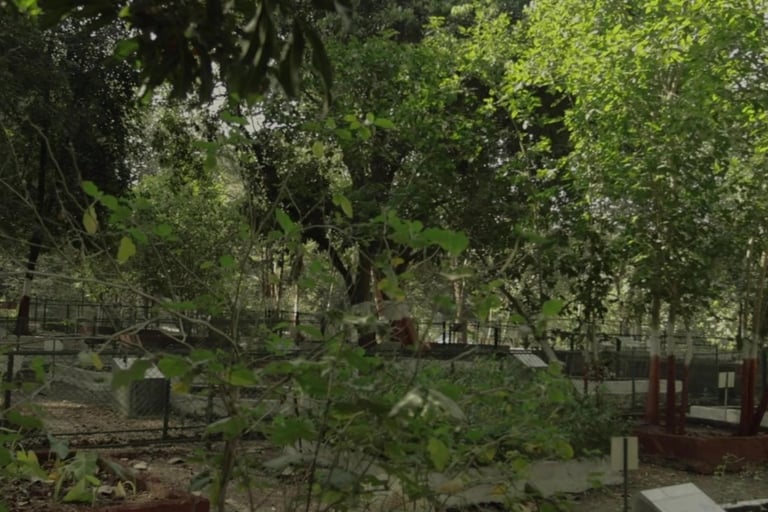
This tree comes in fruiting from October to December. Look for the fruits if found fallen on the ground and try to identify them. Not identified yet. No worries! It is one of the constituents of Triphala Churna. This tree belongs to the family Combretaceae which has members like Arjun, Baheda, Indian Laurel etc. This is the tree of Harde. Yes, you might have consumed it after having a meal for digestion. Originating in the Indian subcontinent, this plant bears antiseptic, laxative, diuretic, and carminative properties. This is used to cure fever, anemia, cardiac disorders, diarrhea, and dysentery. and it is one of the chief sources of tannin in India.
Station 02
Chebulic Myrobalan
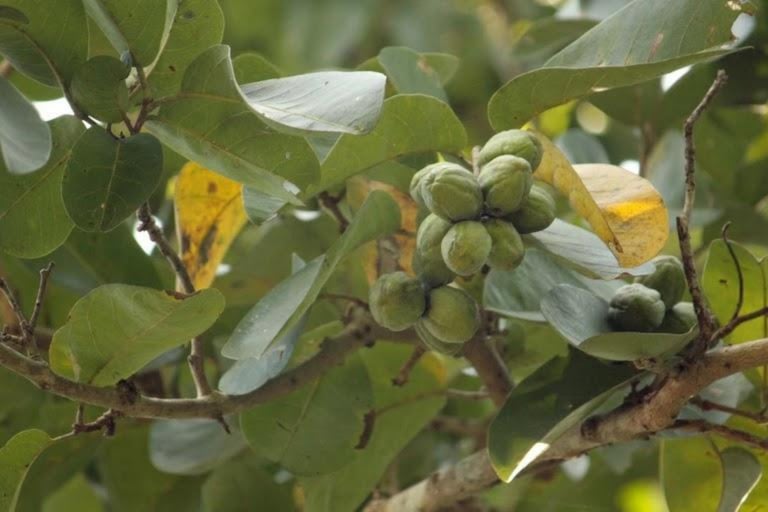
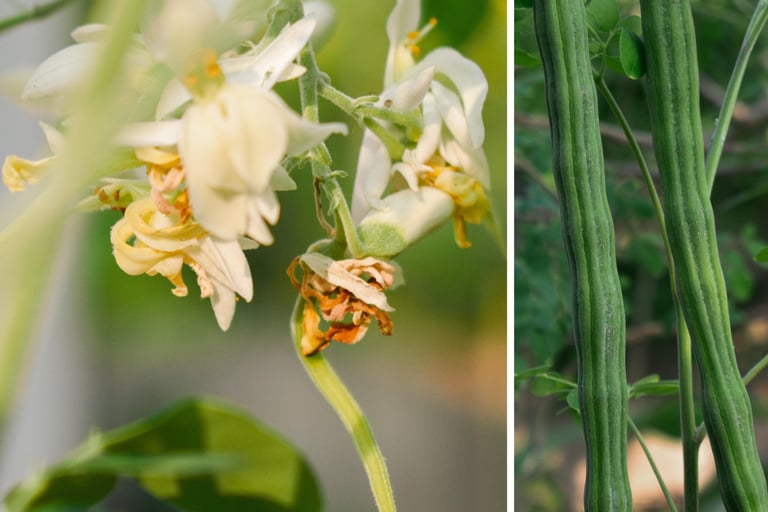
Can you identify this tree as having pale yellowish furrowed and smooth bark? Its beautiful white flowers turn into long greenish sticks like fruit. Well, this is everyone’s favorite and highly medicinal plant drumstick. Its scientific name Moringa oleifera, comes from a Tamil name murungai representing the twisted pod, whereas oleifera means oil producing. The tree is native to the southern Himalayas from where it spread across the Indian subcontinent and beyond. Its leaves have seven times more vitamin C than oranges and fifteen times more potassium than bananas. Ten times more Vitamin A than Carrots and twenty-five times more iron than spinach. Everyone eats its beans. But have you ever consumed its leaves? And did you know that our favorite Swiss watch oil is none other than moringa oil.
Station 03
Drumstick Tree
Can you see the plant, which is climbing on the fencing of the medicinal plot? Do you know it? It is a magical plant. It will inactivate your test buds? Don’t believe it? Pluck a leaf from it and chew it for some time. If you have something sweet to eat, candy or chocolate. Eat it after chewing.
This plant is Madhunashini. The one who neutralizes sugar. and hence the plant has extraordinary importance in Ayurveda. This plant controls blood sugar levels and is therefore used in herbal medicines for diabetes. After consuming it, you will not get a taste of anything for some time. If you haven’t done this, do it now.
Station 04
Gymnema (Madhunashini)
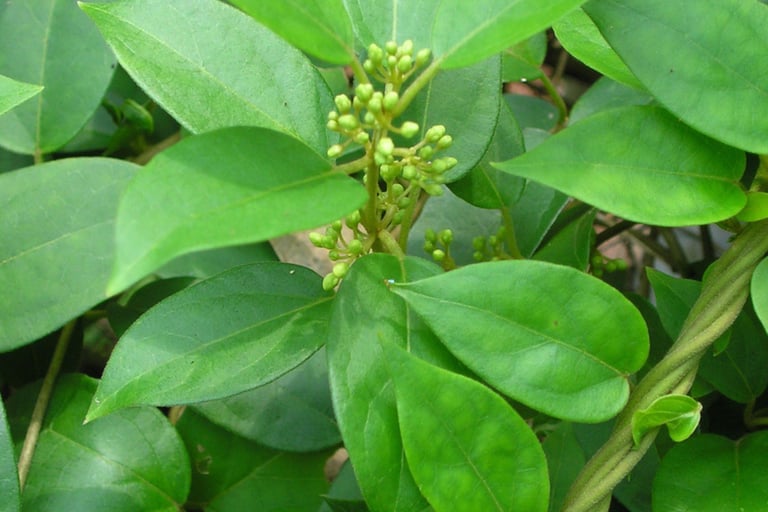
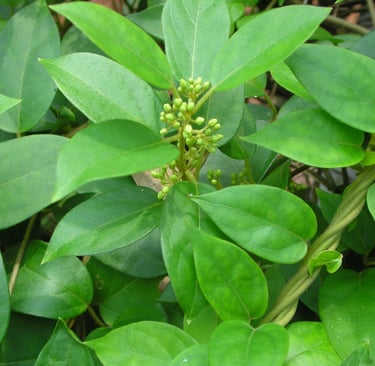
This tree standing in front of you is Putranjeeva. Native to India and Sri Lanka, the seeds of this tree are worn by parents around the necks of their children in the belief that they will ward off evil, protect them and bring prosperity and happiness.
In view of its medicinal importance, its botanical name Putranjiva roxburghii is derived from the local name Putranjeeva. In this the word putra is derived from Sanskrit while jiva means life. It is used in mouth and stomach ulcers, to regulate the menstrual cycle of women and to increase the fertility in men. The tree flowers from March to May and the fruit takes about a year to ripe.
Station 05
Putrnajeeva


Native to Southeast Asia, the plant was first brought to Europe in the 15th century. Its tubular white flowers turn into yellow fruits containing 5-8 circular seeds. Its seeds contain an alkaloid called strychnine, which has anticarcinogenic properties. It is a deadly poison, which produces intense muscle spasms. Its poison is applied on arrows and spears for hunting animals.
If this plant is so poisonous then how is it medicinal? Well, it's for external use only. It is used externally to relieve pain and treat various types of tumors. It is a common homeopathic remedy prescribed for digestive problems, susceptibility to cold, irritability and apathy. Warning: Please do not consume it without doctor's advice.
Station 06
Poison Nut Tree

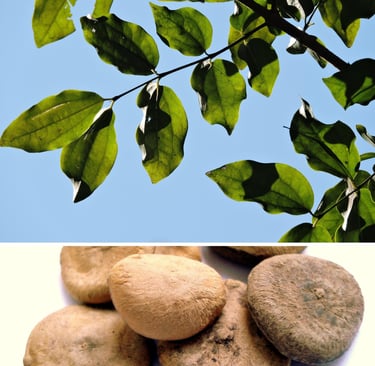
Indian Snakeroot or Sarpagandha is a native plant of South and South East Asia. It is believed that snakes do not come to the place where this plant grows. And this plant is used to remove the effect of snake poison. It is listed in the Charaka Samhita for the treatment of mental illness and insomnia. The root contains an alkaloid called reserpine. Reserpine is widely used to lower high blood pressure and ease symptoms of mental illness.
Station 07
Indian Snakeroot
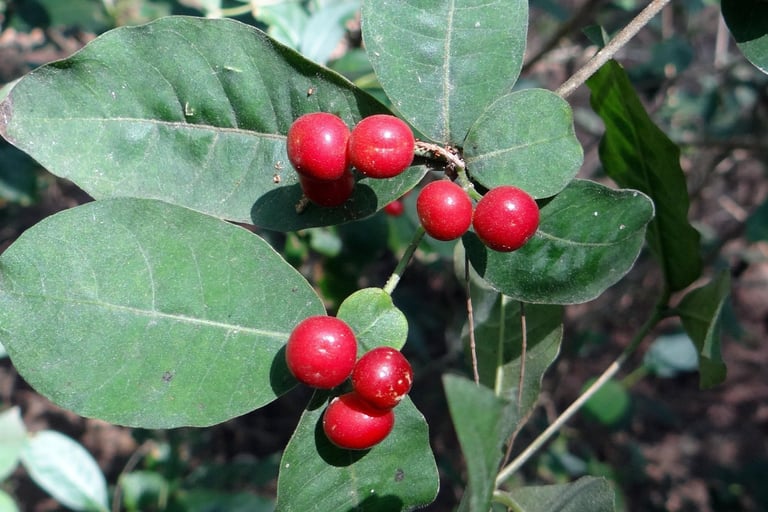
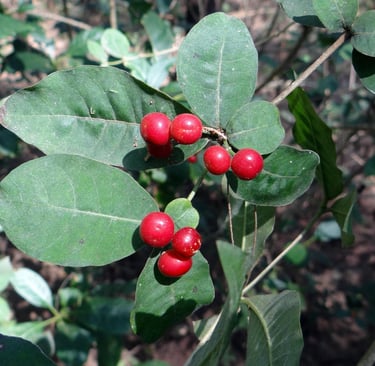
Can you guess what fruit comes from the tree in front of you? It's Kokum, also known as the Goa Butter Tree in English. This Indian plant blooms between November and February, and its fruit ripens between March and May. In Maharashtrian and Goan cuisine, Kokum is commonly used as a substitute for tamarind to add sourness to dishes. The fruit contains a juicy pulp that is often referred to as kokum butter, which remains solid at room temperature. It is used not only in cooking, but also in various products such as chocolate, sugar confectionery, ointments, skin and hair care products. By mixing the fruit with sugar, syrup can also be made. The juice of the fruit is known as agul in Konkani. Some research suggests that consuming kokum can help with weight loss. So Why not consider using it as a healthier alternative to tamarind?
Station 08
Goa Butter Tree
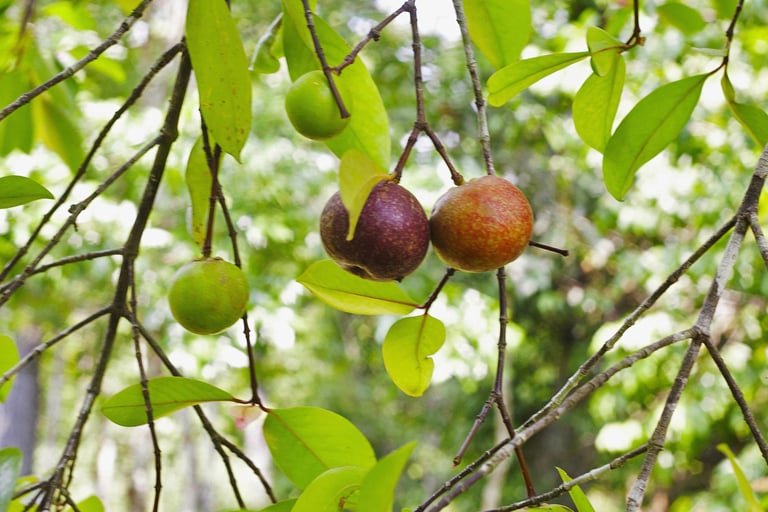
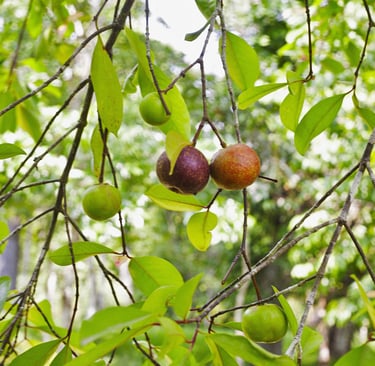
This tree, native to Southeast Asia, has reddish wood spotted or streaked. This is the same tree that you have seen in the movies. Yes, it is red sandalwood. Illegal harvesting and smuggling have made this plant endangered. Its wood is used to remove pimples, spots and other skin diseases. It purifies the blood and is also antipyretic and diaphoretic. It is also useful in bleeding disorders and inflammation. If it is not preserved today, then perhaps our next generation will be able to see this plant only in movies.
Station 09
Red Sandal
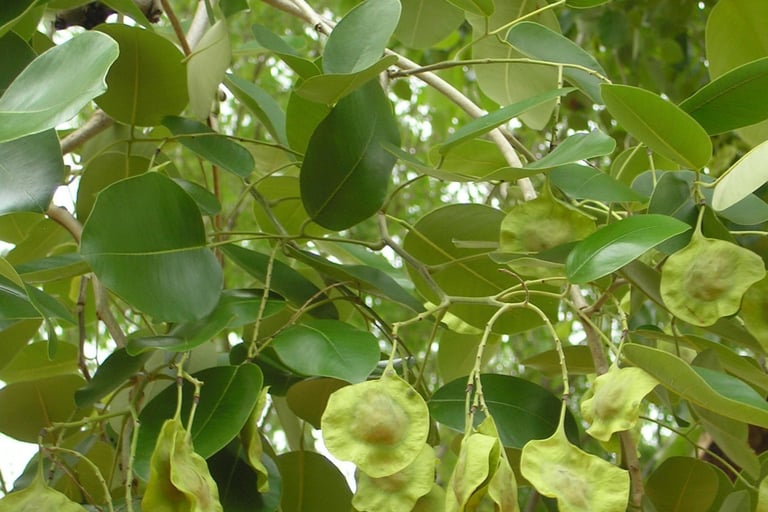
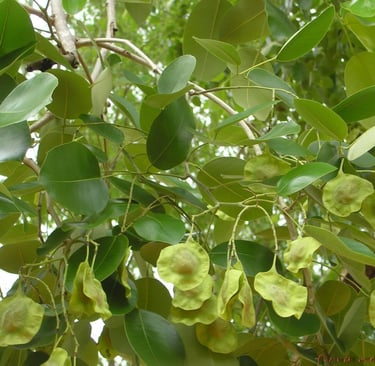
Have you ever rubbed a tiny grayish-white stony seed on a rough surface and made your friend squeal at the touch of it? Do you have any such childhood memory? If not, you can do it later. This plant is known by different names. In English it is called fever nut as it cures different types of fevers. It is a shrub and found near sea beaches, its seeds look like goti and hence it is called Sagargota or Sagargoti in Hindi. Since its seeds are similar to crow's eggs, they are also called Kakchis in Gujarati. The fruits are tonic and antipyretic. The seed oil is used in cosmetics and to stop earaches. Its seeds are very hard. They swim in fresh and brackish water, so that they have been distributed throughout the tropics along with ocean currents.
Station 10
Fever Nut
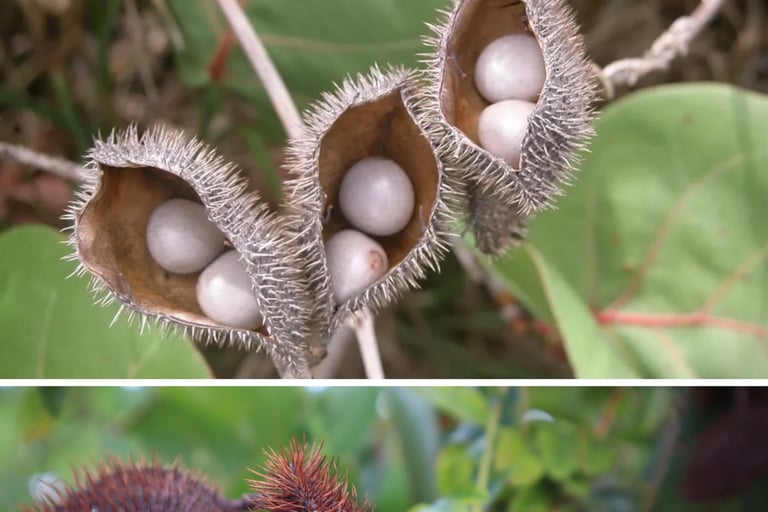
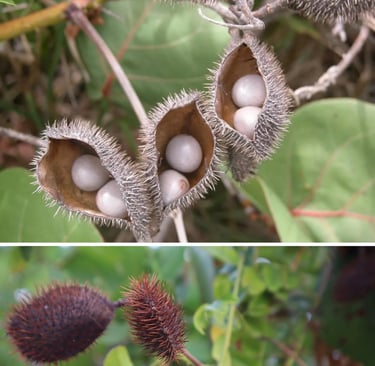
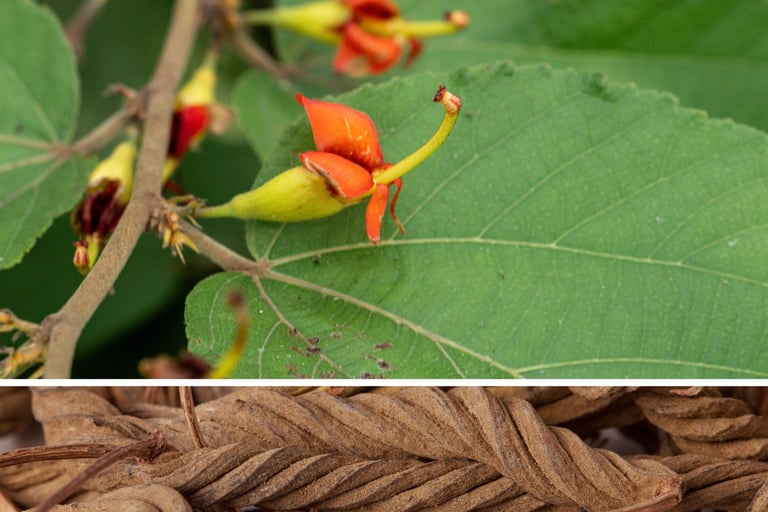
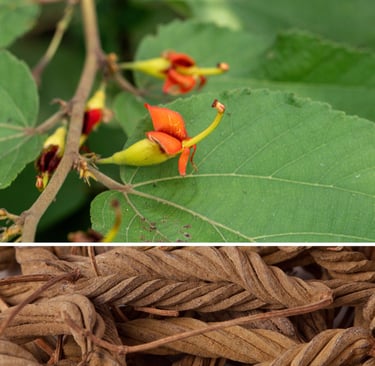
See the fruits of the plant in front of you? How do they look? Its local name is Marodsingh – as name like work. It is useful for curing cramps in the stomach. Its botanical name, Helicteres isora, describes its twisted and screw-like fruits and hence it is known in English as the Indian screw tree. Its fruits and roots are used in the traditional medicine systems of Asia, Iraq and South Africa. It is rich in antioxidants, carbs, protein, fiber, calcium, phosphorus and iron. It is used to treat gastrointestinal disorders, diabetes, cancer and infections.
Station 11
Indian Screw Tree
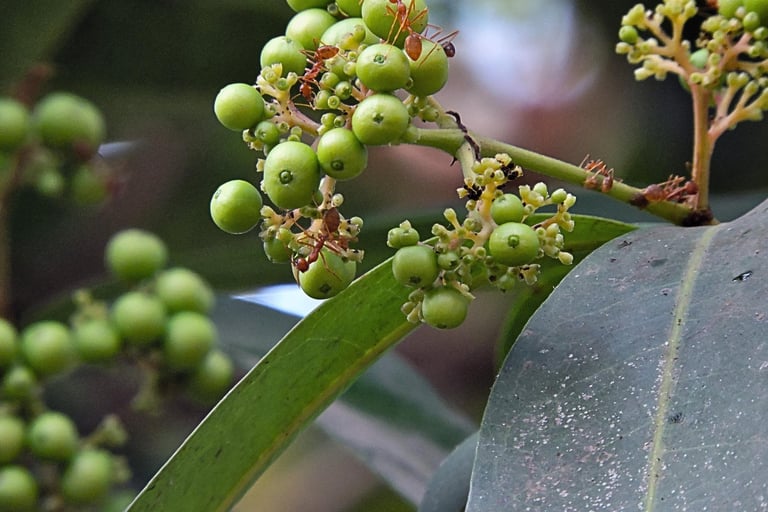
This small tree is native to Java, south-central China and Pakistan. It is called the Black Currant Tree. It is a long-lived, shade-tolerant species, usually found under a closed canopy. The fruits and leaves have diverse uses in different regions. In Luang Prabang, Laos, the leaves are added to soup made from fungus to give it a sour taste. The Bunong people of north-eastern Cambodia use the plant to treat coughs. The young tender leaves are used as a vegetable by tribal and rural people in Odisha. They are either fried or boiled with salt, and served as a side dish with rice. The leaves are used for colic in children, digestive problems, and diabetes.
Station 12
Black Current Tree
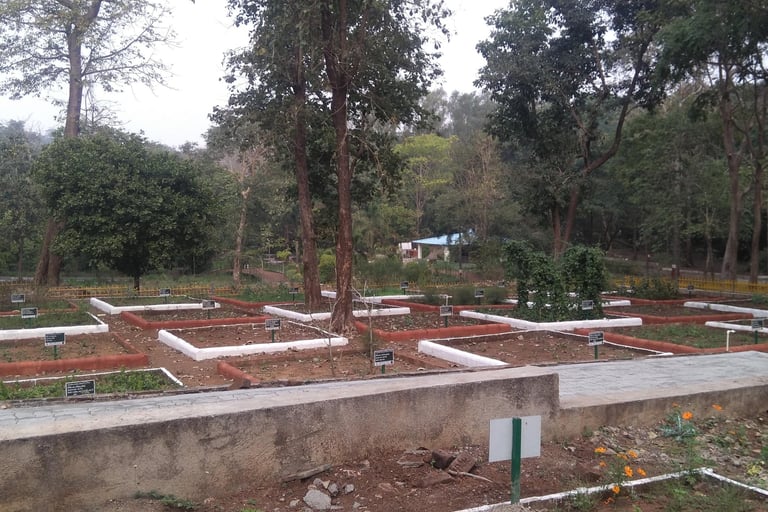
Along with the medicinal plot, the Waghai Botanical Garden has another special plot of plants for various diseases. This is a Arogyawan. It has three divisions, Herb, Shrub and Tree. Starting from Bhagat Kutir, it ends at Arogyavan trees. In Dang, Bhagat was a local man practicing traditional medicinal plants. They were like Vaidyas and Hakims. Arogyavana divides plants into herbs, shrubs and trees. The first section is of herbs which have species like Bala, Atibala, Mahabala and Nagbala which are known to provide strength to the body, it also has species of Pandanus, Ocimum and Jaljamini which make water jelly. The shrubbery of the second section has plants like Bhammarchhal, Karvi, Damvel etc. and the last section has medicinal trees. We urge you to visit as many plants as possible to enhance your knowledge.
Station 13
Arogyawan
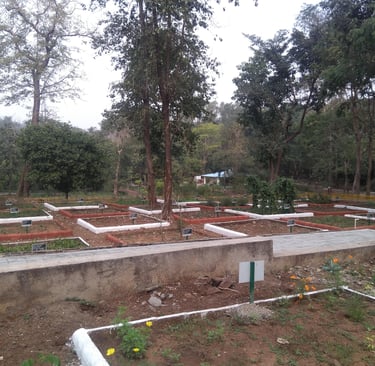
This tree with brown bark is called Kala Bachnag in Hindi, Bhammarchhal in Gujarati and Bridal Couch Tree in English. The bark of this tree is used in traditional medicine and is antipyretic, and astringent. It contains scopoletin and a very bitter glycoside. It has been used for a treatment of ailments related to the digestive, endocrine, reproductive and respiratory systems. It has properties to treat gastrointestinal and urinary tract infections.
Station 14
Bridal Couch Tree
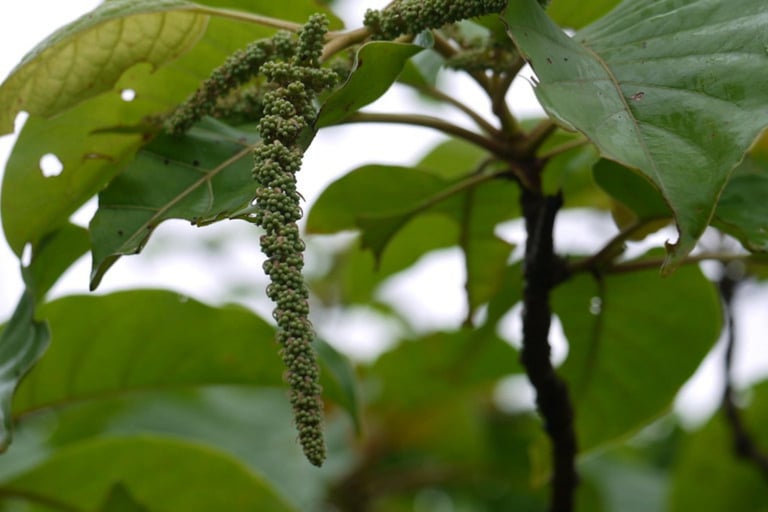
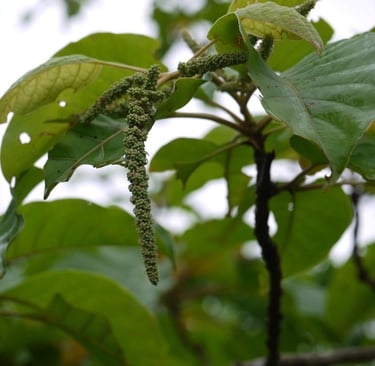
This plant, which blooms from January to March, has its origin in India. It is a medium-sized deciduous tree with short crooked trunk and dark-brown fissured bark. Consuming the juice of its root with two black peppers ends eye problems. The paste of the bark is applied on the wound. Its scientific name Ogonia ozenensis is derived from the city of Ujjain. The interesting thing is that when its flowers bloom, it seems that a white sheet is spread on the ground.
Station 15
Ujjain Desmodium
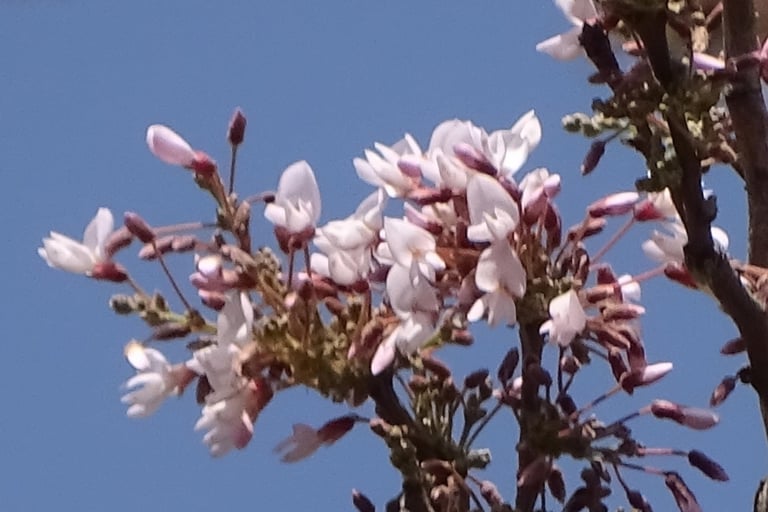
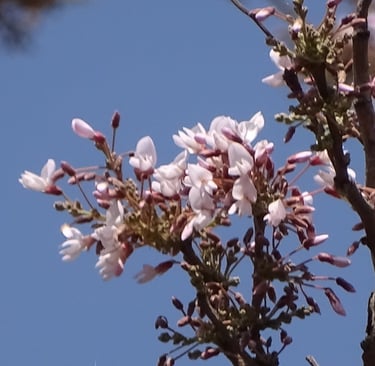
The next plant in Arogyawan is Karvy. Tribal tribes use this plant to treat inflammatory disorders. The juice of its leaves cures stomach ailments. Along with being anti-inflammatory, this shrub has antimicrobial and anti-rheumatic properties. Its life cycle makes it even more interesting. This plant comes alive with every arrival of monsoon. But as soon as the monsoon is over, only dry and dead stems remain in it. This cycle is repeated for seven years. As the plant enters its eighth year, the plant begins to flower extensively. Its flowers are of purple color and attract everyone's attention.
Station 16
Indian Ipecac
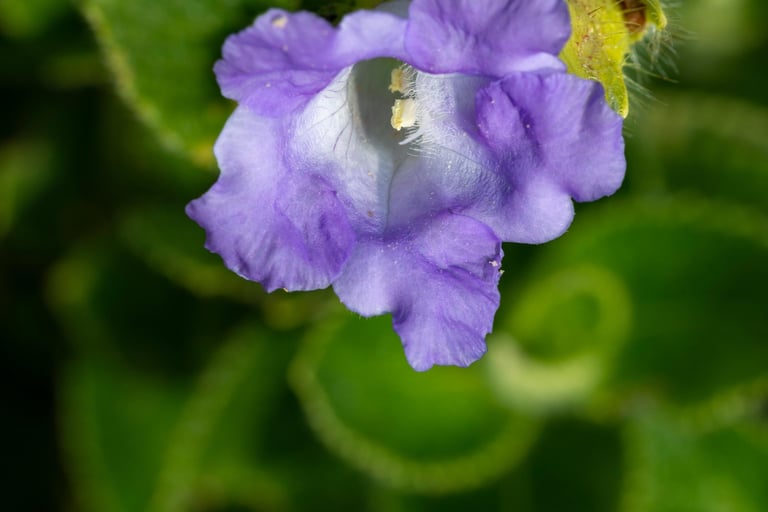
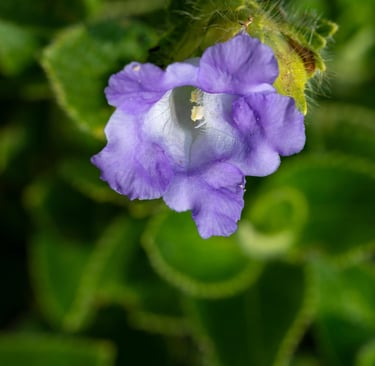
Native to India, the next plant on our tour is the damsel. As per its common name, the plant is used to treat asthma and other allergic reactions. The botanical name of the plant is Tylophora indica. The genus name Tylophora means knotted while the species indica refers to India as the country of origin. Apart from anti-asthmatic properties, this plant also has anti-inflammatory, anti-carcinogenic and anti-diarrheal properties. According to the ayurveda the intake of Damvel leaves on an empty stomach consumtion of leaves gives relief from cough.
Station 17
Black Oil Plant
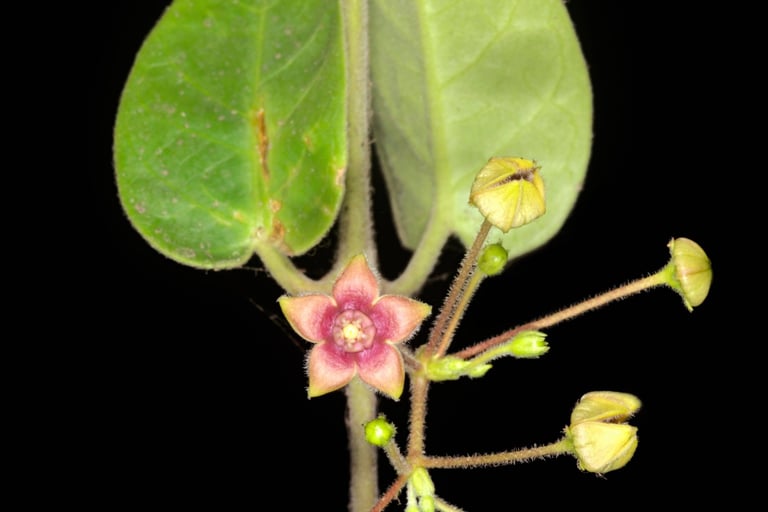
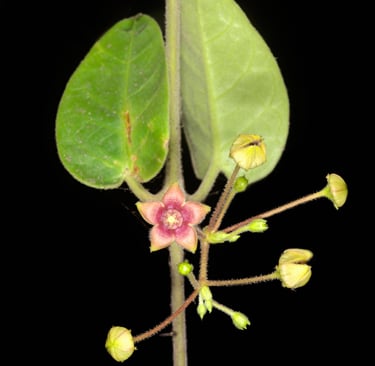
This plant of Indian origin is a vine with long thin branches. It is reddish brown in color and covered with white lenticels. Its bark, leaves and seeds are used medicinally. Bark is contraceptive, purgative and brain tonic. The juice of the leaves is a good antidote for opium poisoning. The oil extracted from the seed is bitter in taste, heating and stimulating the intellect. This Vela is known as Malkangani in Hindi. Karigane in Kannada, Serupunna in Malayalam and Jyotishmati in Sanskrit means one who strengthens the intellect. It is mentioned in Bhava Prakash Nighantu of Ayurveda. It bears small oval-round fruits; hence this plant is also called microfruit and they look like crow's eggs, hence it is also called Kakandaki. Yellow colored oil emerges from its seeds, hence it is called peet taila.
Station 18
Climbing Staff Plant


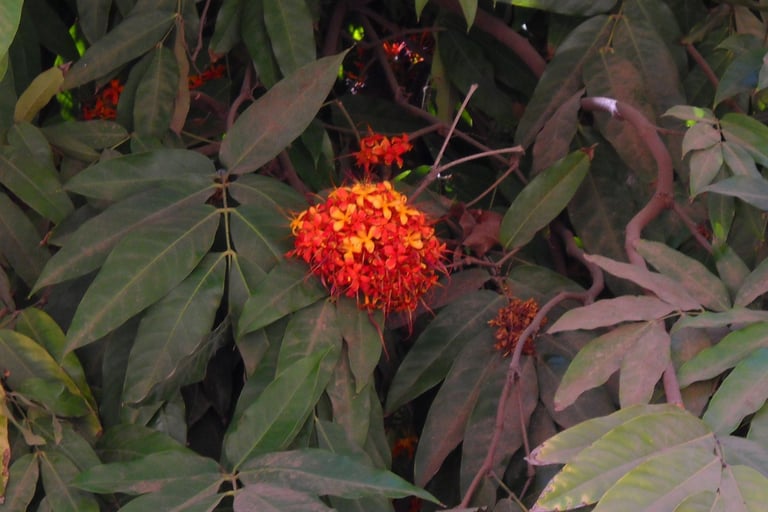
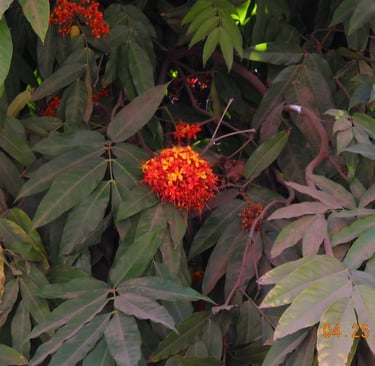
Have you heard about Ashok Vatika, where Ravana kept Sitaji. And about Ashokarishta? And about a tree that takes away sorrows? Yes, I am talking about Ashoka, many times this tree is confused with the tall straight tree Asopalav. It is called False Ashoka Tree in English. The real Ashoka or Sita Ashoka tree is in front of you. The tree bears yellow-orange flowers from December to April and bears fruit throughout the year. This tree is native to India, Sri Lanka, Myanmar and Malaysia. The bark of this plant is used to treat gynecological disorders such as uterine disorders, dysmenorrhea and menorrhagia. Its flowers are also used in the treatment of piles, scabies and skin diseases.
Station 19
Sita Ashok
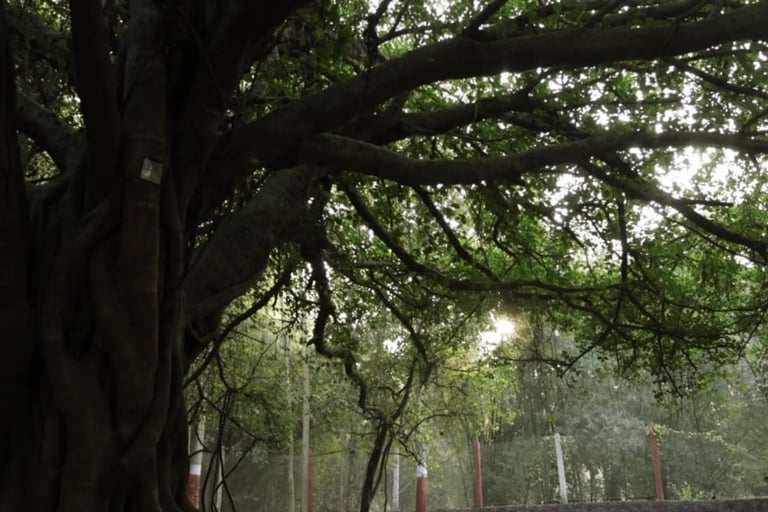
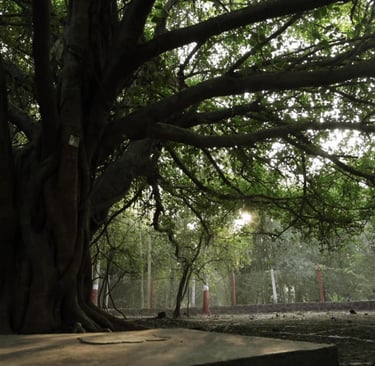
The glory of this tree cannot be explained in words but can be experienced. You hardly have come across such a massive, magnificent, and marvelous ficus tree in your life. This 150-year-old tree is the only tree in Gujarat which is growing at an altitude lesser than its actual habitat of 1200 meters. This is Pragwad. It is more than 150 years old. It is said that When Lord Brahma gave the Brahmagyan; The vibes were absorbed by the canopy and via prop roots, they percolated in the Earth. And hence, it was always been a favorite of the sages of India. Apart from spiritual significance, Pragwad has the potential to cure liver disorders, ulcers, and leprosy. To experience the glory of Pragwad. We recommend you sit underneath it and feel the energy that this tree is radiating through its branches. you can hug any branch of your desire and can experience how hugging trees can relieve your stress. It is said that many sages meditated under this species for enlightenment. We recommend you spend some time in silence with this tree and observe the radiance of this tree in you.
Station 20
Pragwad
We hope that you enjoyed this audio tour of Waghai Botanical Garden. In this route, we talked about the Medicinal Plot of Waghai Botanical Garden. You might have wondered that the garden which is spread across 24 hectares has only this many interesting plants…. Actually not. The garden harbors more than 1000 plant species. We know you have visited the garden for a shorter time. We tried to give you a glimpse of the garden in the minimal possible time. If you stay here for some more time, we can take you on another journey of Plants of North and South division of Waghai Botanical Garden. There you will meet marvelous plants like the great Mahogany, the rainy tree, Kailaspati, and a plant that smells like fennel. Along with that, there are orchids that can grab your interest, in the world of desert plants and cacti. The Dang plot will fascinate you with the dense and tallest trees. You will meet the exclusive members of WBG. And the historical collections of WBG. To know more about other tours please visit the office.
South Dang Forest Division Thanks you for visiting Waghai Botanical Garden.
Jai Hind, Jai Bharat.
Station 21
Endnote

Get in touch...
© 2026 Krishnparn.in All Rights Reserved
All content (including but not limited to text/words, photographs, videos and audios) on this site is the original work of Krishna Singh Rajput and CANNOT be used/copied without prior written permission and giving due credits. Anyone caught copying content from any page on this site (whether in part or whole) shall face severe repercussions.